
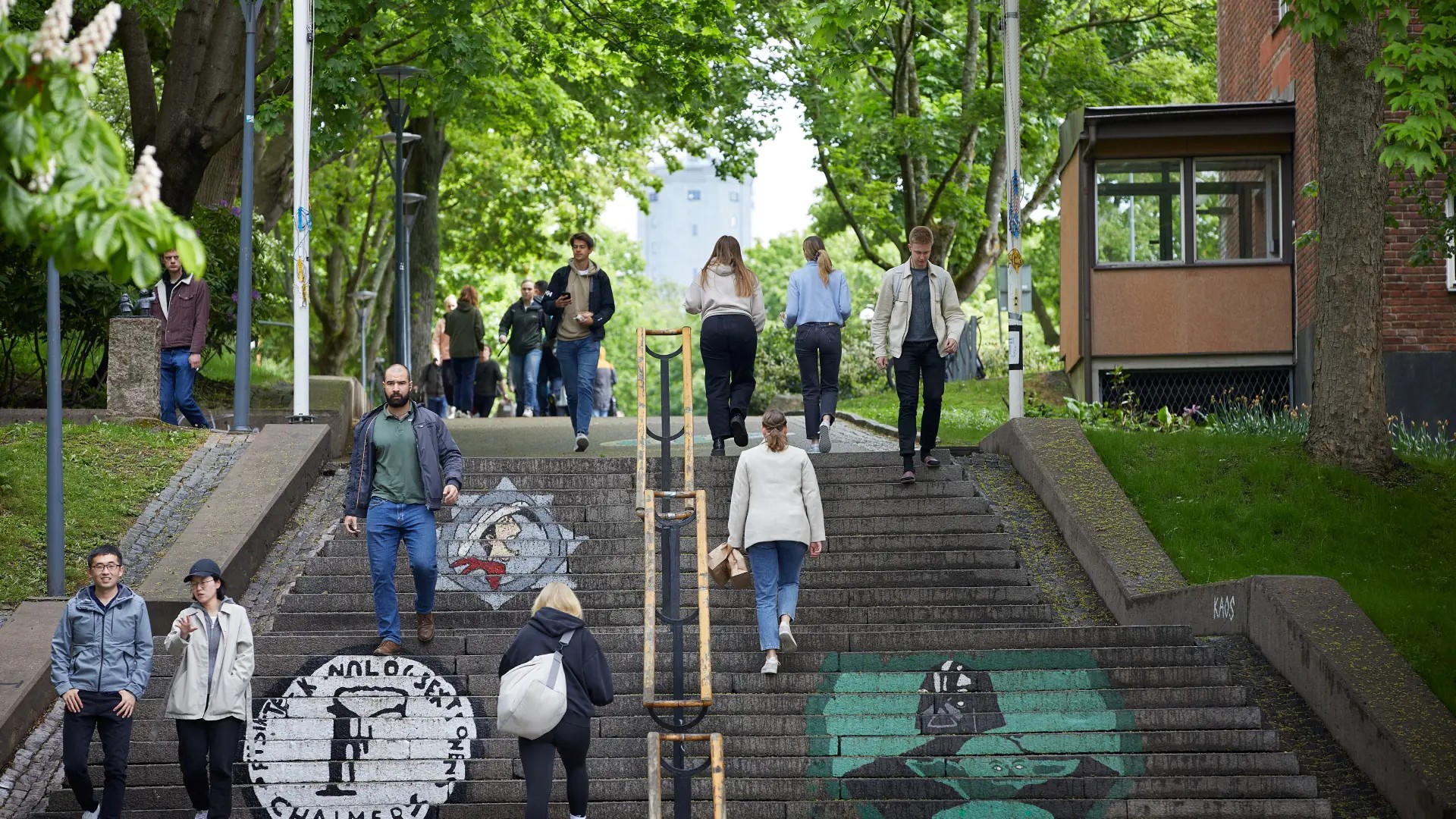
The Department of Mechanics and Maritime Sciences is involved in a range of programmes at the bachelor's and master's levels. We provide doctoral programmes across different areas within all modes of transport and with access to a wide range of courses.
We also offer professional education at national and international level, with specially designed assignments for different social actors.
Undergraduate studies in Mechanics and Maritime Sciences
Master's programmes
Mechanics and Maritime Sciences are active in four Master's Programmes for those who already have undergraduate education with at least 180 higher education credits.
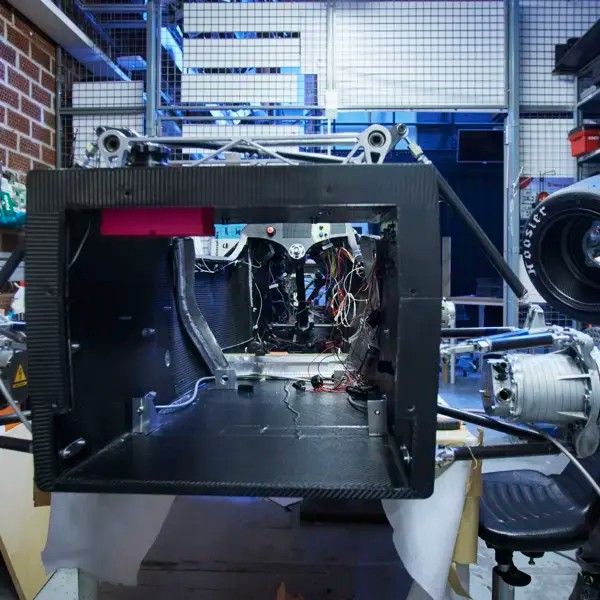
Applied mechanics, MSc, 120 credits
Learn how to problem-solve and optimise product design within a broad spectrum of different engineering applications. This master’s programme will give you an internationally competitive education in modelling, computational and experimental techniques in applied mechanics. You will train how to solve solid, structural, and fluid mechanics problems in a broad spectrum of different application areas, gaining core competencies and preparing to become a key player for both large and small enterprises. You will also gain the skills required to work with the mechanical design of sustainable and competitive products — all while considering aspects like reliability, robustness, weight, and energy efficiency.
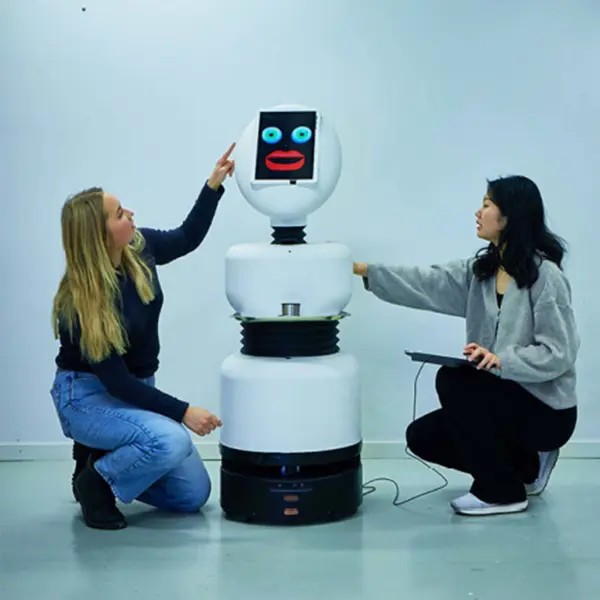
Complex adaptive systems, MSc, 120 credits
The human brain, economic markets, our immune systems — even the formation of clouds. These are all examples of complex adaptive systems, formed from multiple interacting components, often nonlinear and dynamic, leading to a collective structure and organisation across multiple levels. With a truly interdisciplinary approach, encompassing several theoretical frameworks, this master’s programme will provide you with a broad and thorough introduction to the theory of complex adaptive systems and their application to the world around us.
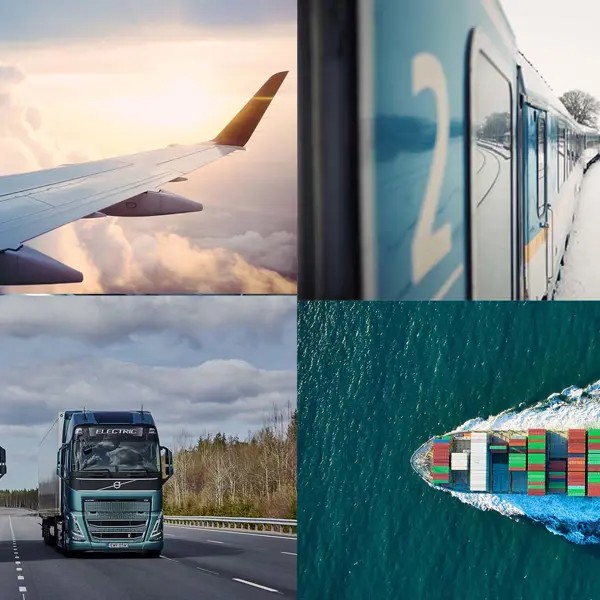
Mobility engineering, MSc, 120 credits
Every day, freight trains, trucks, aeroplanes, and ships transport enormous quantities of raw material and manufactured goods around the world, while billions of people travel for work and leisure in the same manner. This master's programme will prepare you to meet the ever-changing demands in the critical industries of aerospace engineering, automotive engineering, marine technology, and railway technology, with the option to specialise in one in particular.
Maritime Education
As of 1 January 2026, Chalmers’ maritime education programmes — from undergraduate level through to doctoral studies — are provided by Chalmers School of Maritime Studies. Via the link below, you can access their website.
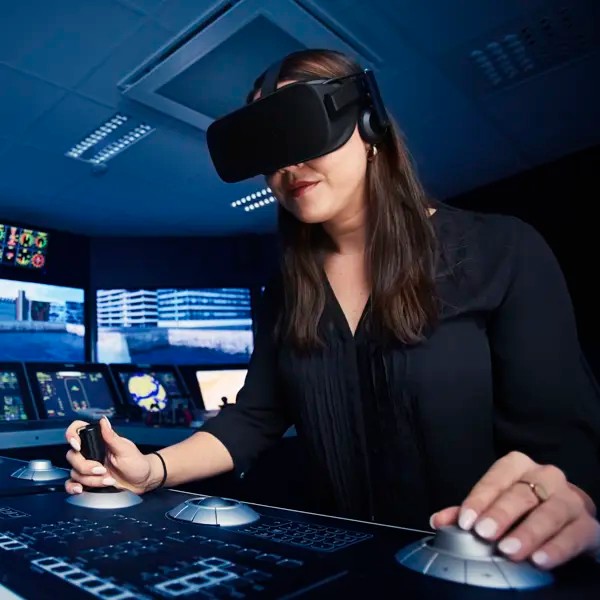
Chalmers School of Maritime Studies
At Chalmers School of Maritime Studies, the maritime officers and maritime experts of the future are educated.
Bachelor programmes
Engineers in mechanical engineering, automation and mechatronics together get ideas to take shape, become a product and begin to function in a context. You choose where in the development chain you want to be, but we promise that whatever training you choose in our field, you will be part of tomorrow's product development. You get to grow and use your talent by creating new and modern products together with others for a safer, better and more enjoyable future.
- Mechanical engineering, 180/300 credits
- Mechatronics, 180 credits
- Automation and mechatronics, 300 credits
Announced degree projects

Doctoral studies in Mechanics and Maritime Sciences
A Chalmers doctoral position allows you to combine a career with a doctoral degree. Of course, Chalmers isn’t your typical employer – as nearly a thousand doctoral students can testify. Wherever possible we like to integrate the needs of the world with both research and study for a sustainable future. After all, we only have one Earth.
So count on plenty of interaction with other researchers, students and industrial contacts – not least internationally. Our open and trusting approach is geared to nurture your career as well as the research.
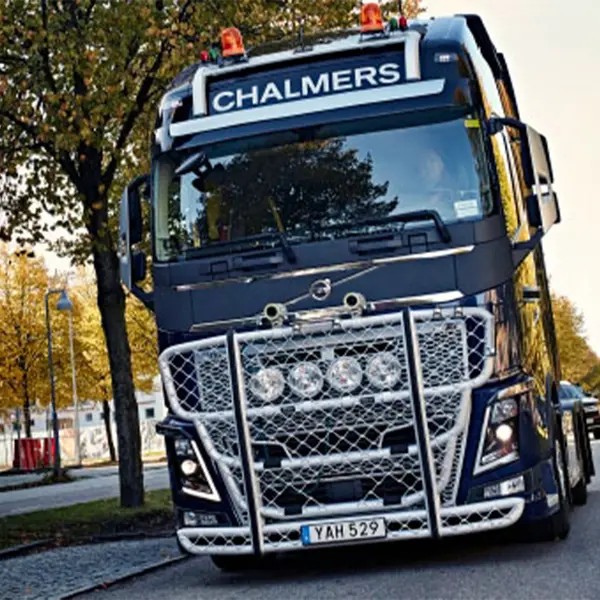
Machine and vehicle systems, graduate school
Graduate School Machine and Vehicle systems are both basic science and applied. As a doctoral student, you will learn technical problem solving through quantitative and qualitative thinking.
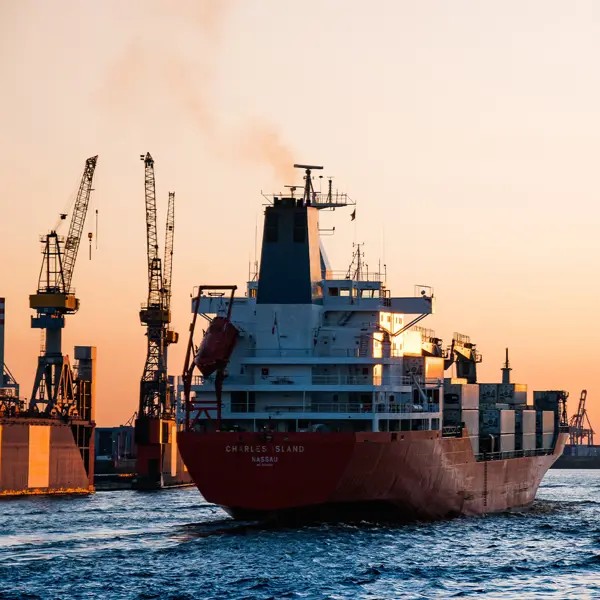
Shipping and marine technology, graduate school
If you are interested to study scientific areas related to shipping, ranging from naval architecture and ocean engineering, climate and environmental impact, to maritime operations, on and below the water, you should apply to the graduate school Shipping and Marine Technology.
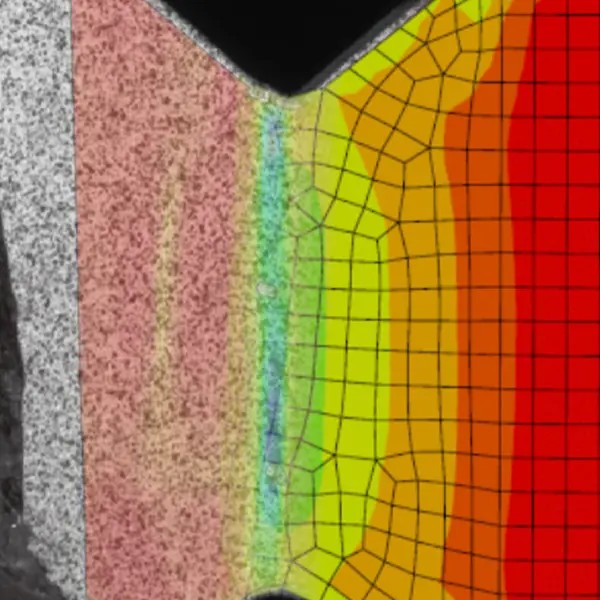
Solid and structural mechanics, graduate school
The scientific basis for doctoral studies in Solid and Structural Mechanics spans mechanics, strength of materials, and structural mechanics. Your research project may be of theoretical and/or applied nature.
Thermo and fluid dynamics, graduate school
In the graduate school of Thermo- and Fluid Dynamics, you as a doctoral student develop your knowledge both through theory and applications in the field.
Continuing education in Mechanics and Maritime Sciences
Continuing education in shipping
We deliver custom-designed mission training for business at both national and international level.
Study administration at Mechanics and Maritime Sciences
You reach our student administrators via email, phone or visit them on either of our campuses.
In your contacts with the study administration you need to specify:
- Name
- Social security number
- Course code
If you wish to request av copy of a written examination
When you come to get an exam copy, you need to show proof of identity. Also state course code and period for smoothest handling.
Administration for undergraduate level, master's studies, and doctoral studies.
Sonja Laakso Gustafsson (for the divisions Vehicle Safety and Vehicle Engineering and Autonomous Systems)
+46 31 772 3637
sonja.laakso@chalmers.se
Malin Larsson (for the divisions Energy Conversion and Propulsion Systems, and Fluid Dynamics. For Maritime Studies undergraduate level and master's studies only.)
+46 31 772 2986
studentadm.m2@chalmers.se
Carina Schmidt (for the divisions Dynamics, and Marine Technology)
+46 31 772 1515
carina.schmidt@chalmers.se
Catharina Mårtensson (for doctoral studies for the division TEE)
+46 31-772 26 78
catharina.martensson@chalmers.se
Assistant Head of Department for undergraduate education

- Associate Professor, Vehicle Engineering and Autonomous Systems, Mechanics and Maritime Sciences
Assistant Head of Department for doctoral studies
- Professor, Vehicle Safety, Mechanics and Maritime Sciences