Every year, the Nano Area of Advance awards up to three Excellence PhD positions in strong competition among hundreds of applicants. Raul Perea Causin, Wera Larsson and Pernilla Ekborg-Tanner were awarded such an Excellence PhD position in 2019.
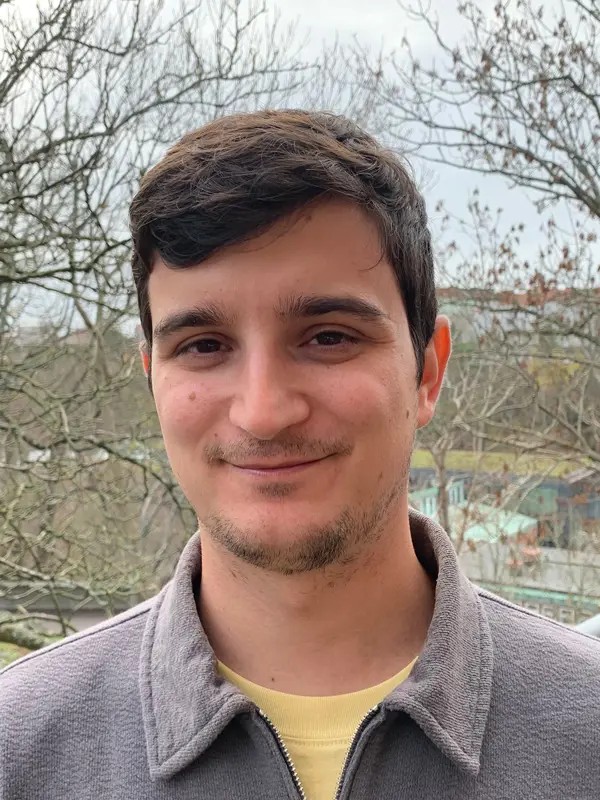
Raul Perea Causin works at the Department of Physics in the Division of Condensed Matter and Materials Theory with professor Ermin Malic as the main supervisor. He is investigating the electronic and optical properties of atomically thin materials:
“In particular, my PhD project has a focus on a popular class of materials called transition metal dichalcogenides, which not only are technologically promising for optoelectronics but also offer a platform to investigate fundamental aspects of quantum many-body physics. In the last four years, I have developed theoretical models and performed simulations to understand the influence that charge complexes (consisting of electrons and electron vacancies or holes) have on these materials' optical and transport properties, and how these properties can be tuned with external knobs.”
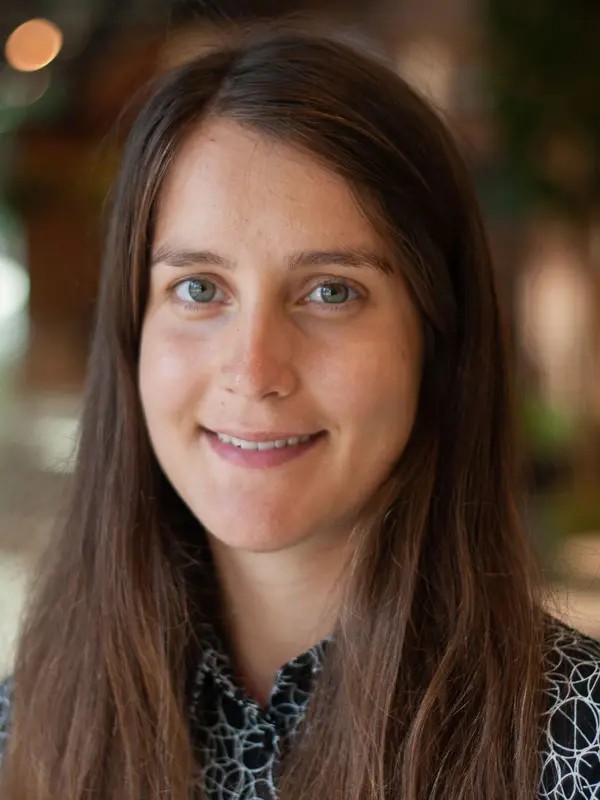
Wera Larsson works at the Department of Chemistry in the division of Chemistry and biochemistry with professor Bo Albinsson as the main supervisor. Her project focus on photochemistry:
“Photochemistry is explaining how light and chemistry work together. In the research group, we focus on up- and down-converting light from lower energy to higher energy and then trying to combine it with different chemical processes. Instead of adapting to the light we have, the light is manipulated to the needs we have. For example, our sun, which has visible light with slightly lower energy, can be converted to UV light which has enough energy to drive these chemical reactions.”
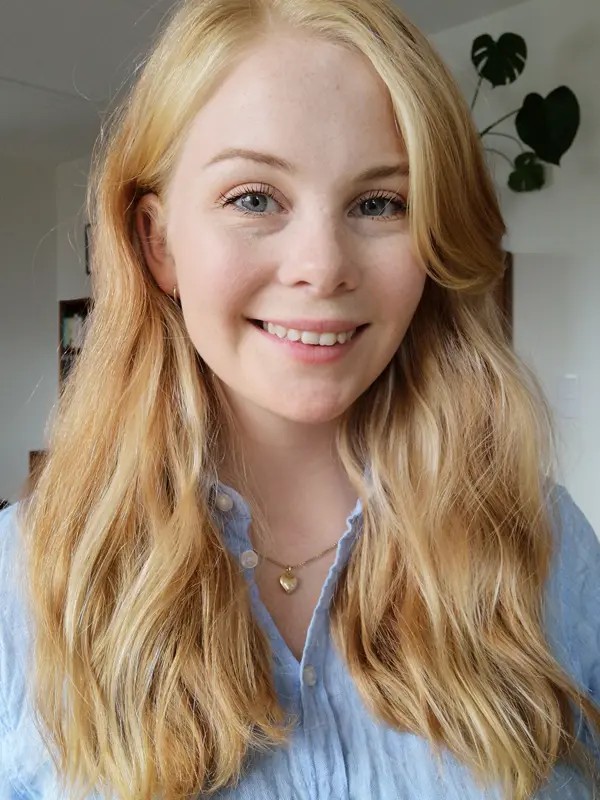
Pernilla Ekborg-Tanner works at the Department of Physics in the division of Condensed Matter and Materials Theory with Professor Paul Erhart as the main supervisor. Her research is about Palladium-based nanomaterials used for hydrogen sensing and consists of two main projects:
“In the first, I model the surface segregation behavior of Palladium alloys in contact with hydrogen to understand the impact of manufacturing conditions and the long-term behavior of hydrogen sensors. In the second, I model the optical properties of the nanomaterial in order to optimize sensing performance. Multiscale modelling is a common denominator between both projects and one of the aspects I find most interesting and challenging in my research.”
Important lessons both as a researcher and as a person
“After being involved in many projects and having collaborated with international research groups, I have learned that good communication is crucial. A clear presentation of your research is essential to have an efficient and constructive discussion with your colleagues. Also, it’s normal to hit a wall when you are doing research — after all, you are exploring the unknown. Even though these moments can be frustrating, they have been an important part of my PhD that has made me more patient, perseverant, and self-confident”, says Raul.
Professor Ermin Malic, Raul’s main supervisor appreciated having him as his PhD student in his group:
“He exceeded by far all my expectations. He was involved in many projects, established a new research direction in my group, helped with the supervision of bachelor and master students, and was involved in more than 20 publications. I enjoyed watching him become an independent scientist”, says Ermin.
“An obvious part I learned is the research aspects, different instruments, and data analysis. But also working in an international environment, running projects independently and in collaboration, and teaching. You learn to become comfortable and adapt the way you present your research, and you grow both as a person and as a researcher”, says Wera.
The freedom and the strong community of Nano
There were several reasons why they chose to apply for the Excellence PhD positions:
“The freedom of not being tied to a specific project was appealing to me since it means that I can pursue any direction I want. I was also interested in Nano specifically since I appreciate the multidisciplinary aspects and the strong community”, says Pernilla.
“I was very certain that I wanted to do a PhD on the topic I have been working on, and this position allowed me to do just that. This Excellence PhD grant gives a lot of freedom in the sense that you get to choose with whom you want to do your PhD among the many professors working on nanoscience at Chalmers” says Raul.
"It felt fun and scary at the same time to apply for this position. Physics, chemistry and mathematics are fun, so Nano research sounded exciting. There is so much to learn, and I wanted to challenge myself," says Wera.
An educational and rewarding time
All three of them are currently still at Chalmers as PhD students:
“It is a creative and free job where you get time to develop and test your ideas in a very rewarding environment. Right now, I work on several projects that built upon what I did before, and I also teach in my last course. I also had very good support from my supervisor Bo Albinsson", says Wera.
“What is unique about these PhD students is that these positions are preceded by great competition and many applicants. This leads to many competent people applying, and Wera is and has been a great asset to my research group", says Bo.
“Except for everything I have learned within my field of research, I have gained a lot of insight into other Nano-related activities at Chalmers. Right now, I have about two years left of my PhD position and I am currently preparing for a research visit at VU Amsterdam this spring”, says Pernilla.
“Pernilla is a super good student, who has taken all challenges in stride. It is also great to have her in the group as she contributes to our activities on many levels. Cutting-edge research is by its nature difficult to plan and creates ongoing challenges in balancing the needs of a PhD education with the interest to work on potentially very rewarding but risky topics. There is always something new to learn and during Pernilla's project we have both learned a lot”, says Paul.
About the recruitment of the Excellence PhD students
Each year, the Nano Area of Advance finances the recruitment of three PhD students to different departments linked to nano research. The job ad is published at the beginning of the year and usually has a deadline in the middle of March. The candidates are selected by the Nano AoA management group and steering group.
- Doctor, Condensed Matter and Materials Theory, Physics