Yeast cells can be used for sustainable production of foods, chemicals, fuels and pharmaceuticals. One area of interest is the production of fatty acids, where conventional production alternatives, e.g, the palm oil industry, have negative effect on the climate such as deforestation. Now a study from researchers at Chalmers presents a solution to design efficient yeast cells for fatty acid production. Their findings can potentially also lead to identification of new drugs for treatment of e.g., cancer.
Today yeast, mostly baker’s yeast Saccharomyces cerevisiae, is used as so-called cell factories to produce chemicals, pharmaceuticals, and other biobased products. To be a cost efficient and reliable alternative to conventional industrial methods, these cell factories need to be robust and efficient.
Synthetic pathway to produce fatty acids
In a new study, published in the scientific journal Cell, researchers in Professor Jens Nielsen’s group at the Division of Systems and Synthetic Biology at Chalmers, focused on inactivating the central glycolysis pathway in yeast and instead inserted an alternative synthetic pathway to produce fatty acids.
The glycolysis pathway has evolved over millions of years to be the main energy generating pathway in almost all living organisms. Humans rely on this pathway for metabolising sugars, as do bacteria, and yeast is naturally very efficient to produce ethanol from sugars using this pathway. When yeast is engineered for production of various chemicals one of the greatest challenges is to prevent ethanol production as a major by-product.
“At first this pathway was not very efficient compared with glycolysis, but through further experiments we could make this new synthetic pathway sufficiently efficient to support cell growth,” says Ning Qin, first author of the study.
For improving the efficiency, the researchers used the concept of adaptive evolution where they searched for mutations enabling faster growth of the yeast cells. Through genome sequencing the researchers then identified candidate mutations and evaluated each of these separately. Hereby they found a novel mechanism responsible for regulating growth.
Insight might benefit drug development
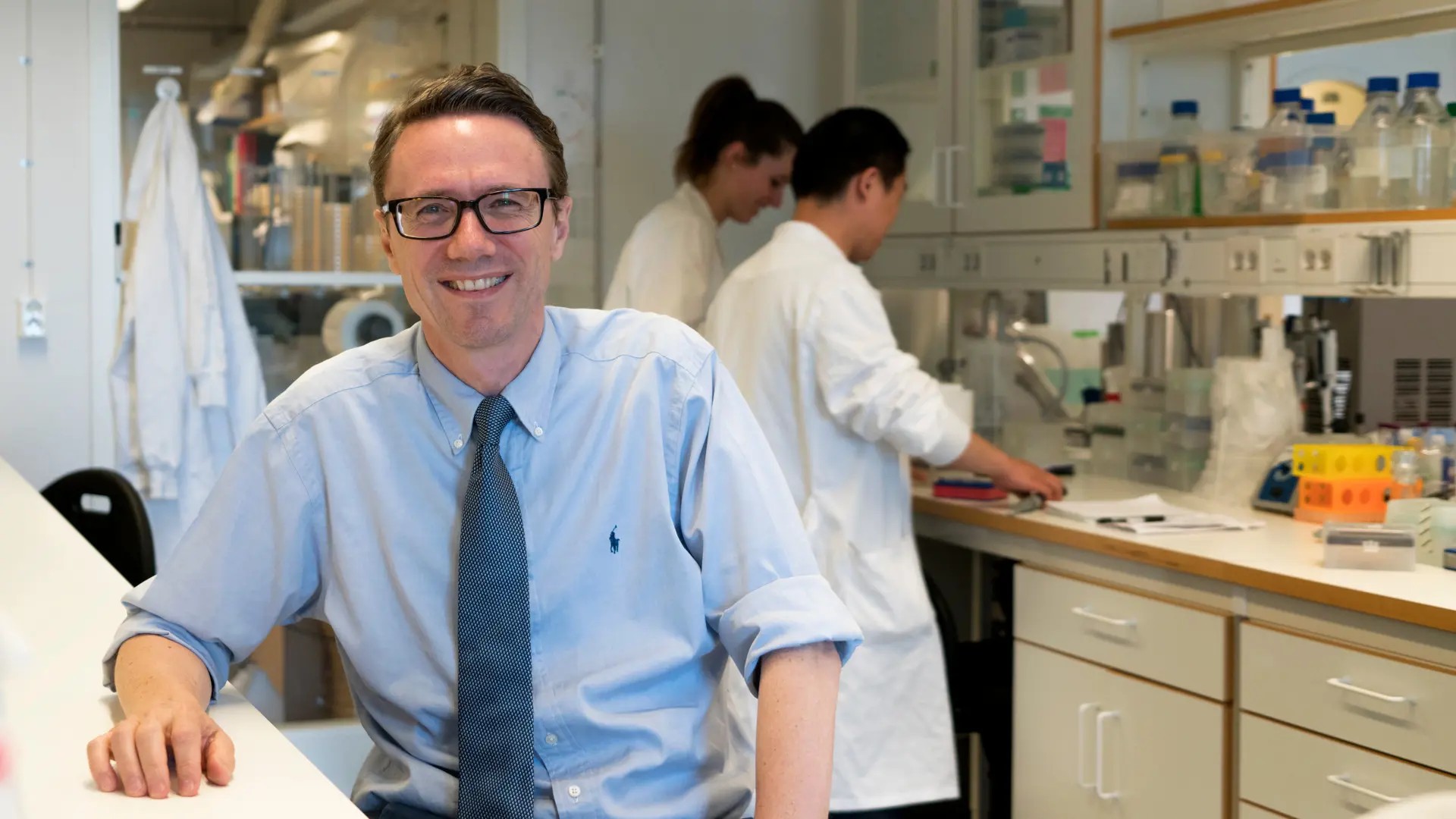
“Besides generating a completely new synthetic pathway for metabolism of sugars, converting them to fatty acids, our study led us to new insight into how yeast is regulating its metabolism,” says research leader Jens Nielsen, Professor of Systems Biology, continuing:
“This insight may have wider implications for our understanding of energy generation in many different cells, including human cells. This is especially important for finding new drug targets for cancer cells, which rely heavily on glycolysis for energy generation and survival.”
Read the study in Cell: Flux regulation through glycolysis and respiration is balanced by inositol pyrophosphate in yeast
More about Jens Nielsen’s research
- New discovery gives hope to fight metastatic cancer
- Great progress in sustainable fatty acid production
Contact

- Full Professor, Systems Biology, Life Sciences