
A new EU project, SEAlgaePower, aims to develop technologies using microalgae to convert nutrient-rich residual water from the seafood industry into valuable products. Thirteen partners from seven countries are participating in the project, including Chalmers University of Technology.
The increasing degree of processing within the seafood industry generates large volumes of nutrient-rich process water, which is currently treated as waste and expensive to purify. At the same time, there is an increasing demand for new, carbon-neutral sources of food, materials and energy.
The SEAlgaePower research project brings together leading universities, research institutes, industry partners and innovation experts to develop technologies that convert industrial water streams into valuable, sustainable products. Coordinated by Cornelia Spetea Wiklund, Professor at the University of Gothenburg, the project harnesses the natural ability of microalgae to capture and recycle nutrients.
“Turning costs into income”
The project will develop innovative systems that purify residual water while producing biomass for new products such as food ingredients, fish feed, fertilisers, dietary supplements and bioactive materials for medical use.
“Our goal is to turn a cost into an income. By linking aquaculture with algae cultivation, we can reduce environmental impact, recycle valuable nutrients, and create new market opportunities for sustainable blue growth,” says Cornelia Spetea Wiklund.
Focus on two research questions
SEAlgaePower explores two major research questions:
- How can marine microalgae from the North Sea and the Mediterranean be used to purify nutrient-rich residual water from aquaculture and seafood processing?
- How can the resulting biomass be transformed into carbon-neutral, bio-based ingredients for multiple markets?
The project combines expertise in marine biotechnology, biorefining, circular value chains and sustainability assessment. In this way, SEAlgaePower will promote state-of-the-art blue biotechnology and directly contribute to the EU’s Green Deal and zero-waste goals.
“A more diverse supply of alternative proteins”
Ingrid Undeland’s research group at Chalmers University of Technology is taking part in the project. The group has extensive experience from blue biomasses, nutrient profiling, extraction of novel protein ingredients and methods for optimising their quality. Overall, the team works to promote a more diverse supply of alternative proteins, where blue protein sources complement green ones.
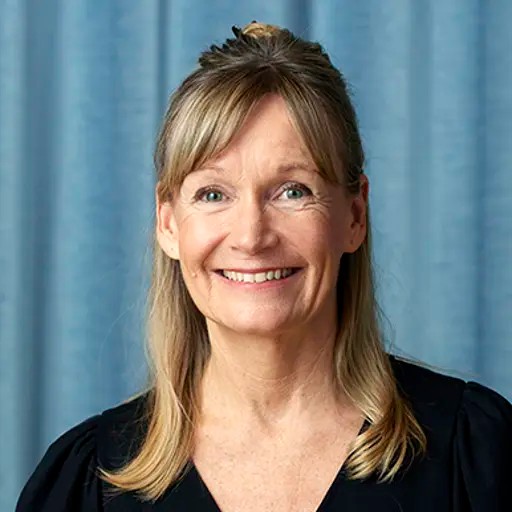
“We have actively been working for many years to increase circularity within the seafood industry, not least on the use of algae to return lost nutrients to the food chain. This project will take our work to the next level,” says Ingrid Undeland, Professor of Food Science.
The project involves not only cutting-edge research at various universities but also close industrial collaboration through partners such as Klädesholmen Seafood and Ragn-Sells Havbruk, which provide real residual water streams and validation environments.
Expected outcomes
Over the next three years, SEAlgaePower will:
- Identify microalgal species adapted to waters from northern Europe and the Mediterranean, suitable for cultivation in water streams from aquaculture and seafood processing.
- Demonstrate nutrient uptake rates of more than 90 per cent and efficient biomass production.
- Develop biorefinery sequences to extract proteins, omega-3 oils, pigments and polysaccharides.
- Develop prototypes and ingredients for food, feed, fertilisers, dietary supplements and medtech applications.
- Evaluate environmental, social and economic performance to support responsible scale-up.
Facts: SEAlgaePower
- Project partners: University of Gothenburg, Chalmers University of Technology, RISE Research Institutes of Sweden, NORCE Research Institute (Norway), University of Aveiro (Portugal), University of Palermo (Italy), DTI (Denmark), NIBIO (Norway), NFH (Denmark), SITES (Ireland), University of São Paulo (Brazil), Klädesholmen Seafood AB, and Ragn-Sells Havbruk (Norway).
Contact
- Full Professor, Food and Nutrition Science, Life Sciences