
Can grass and clover play a role in the climate transition? And how can research help reduce Sweden’s dependence on imported soy and fossil energy?
Ahead of the final conference for Green Valleys on November 11, we meet Christel Cederberg, Professor of Sustainable Agricultural Systems at Chalmers University of Technology. Her research focuses on sustainable food and bioenergy production, with particular emphasis on grass-based biorefineries, circular food systems, and measures that enhance carbon sequestration in soil and forests. Also participating in the conference are Göran Berndes, Professor at Chalmers and moderator for the day, and Filip Johnsson, Professor of Energy Systems Analysis and member of the Swedish Climate Policy Council.
From Research to Practice
For several years, researchers, policymakers, and farmers have collaborated within Green Valleys to explore how forage crops – grass and clover – can become part of the solution to both climate and supply challenges. The project has demonstrated how green biorefining can produce protein feed and biogas from Swedish farmland – while also improving soil health.
What have you learned through Green Valleys – and why is the project so important right now?
“Through the establishment and testing of demonstration plants for extracting protein from fresh biomass – primarily grass and clover – in both Västra Götaland and Jutland, we’ve learned a great deal about the technology behind green biorefining. We’ve gained a deeper understanding of the challenges, such as achieving high and consistent protein yields, and the importance of planning and infrastructure surrounding a local biorefinery,” says Christel Cederberg.
How Can Grass and Clover Help Solve Major Challenges – Energy, Food Security, and Climate?
“Grass and clover are perennial crops, meaning they grow for several years without replanting. This provides multiple environmental benefits, such as increased carbon storage in soil – beneficial both for the climate and for soil fertility. These crops also require little or no pesticides, which supports biodiversity and water quality. When used in green biorefining to produce high-value protein, bioenergy, and biomaterials, they can deliver products with excellent environmental performance.”
Connecting Research with Practice
The project focuses on linking research to real-world applications.
How has collaboration with farmers, businesses, and policymakers influenced your work?
“We’ve continuously worked with system analyses that include both environmental and economic perspectives, and maintained close dialogue with farmers to discuss the entire value chain. That has been crucial for understanding what is needed to make commercial investments in green biorefineries possible,” says Christel Cederberg.
Looking Ahead – What’s Needed for Green Valleys’ Results to Make a Real Impact?
“We need continued research and development to increase the value of the products – for instance, biomaterials that can replace fossil-based alternatives. Business models are also needed to reward farmers for the added environmental value that comes with cultivating forage crops, such as increased carbon storage and reduced pesticide use. One example is replacing soy meal with protein concentrate from green biorefining – this reduces climate impact and strengthens Sweden’s self-sufficiency.”
Green Valleys and Today’s Energy Landscape
How do you view Green Valleys in relation to today’s energy situation and the need for crisis preparedness?
“That’s a very interesting perspective. We can increase domestic protein production – which we currently import – while also replacing fossil natural gas with biogas from residual streams such as the fiber material in biorefining. By combining biorefining and biogas production, nutrients like nitrogen, phosphorus, and potassium can be returned to the fields. And since the cultivation is based on biological nitrogen fixation via clover and lucerne (a legume that, like clover, binds nitrogen from the air), it also reduces the need for imported nitrogen fertilizer,” concludes Christel Cederberg.
More:
▶ Green Valleys is funded by the EU Interreg Öresund-Kattegat-Skagerrak programme and the Region Västra Götaland.
▶ Read more and register to the conference: Green Valleys – Bridging Research, Policy and Practice
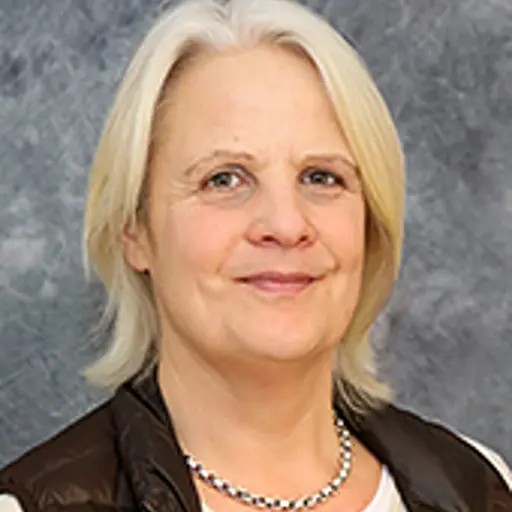
- Professor, Physical Resource Theory, Space, Earth and Environment
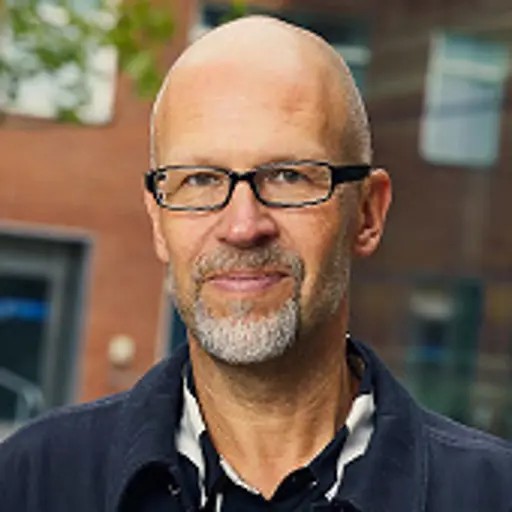
- Full Professor, Physical Resource Theory, Space, Earth and Environment
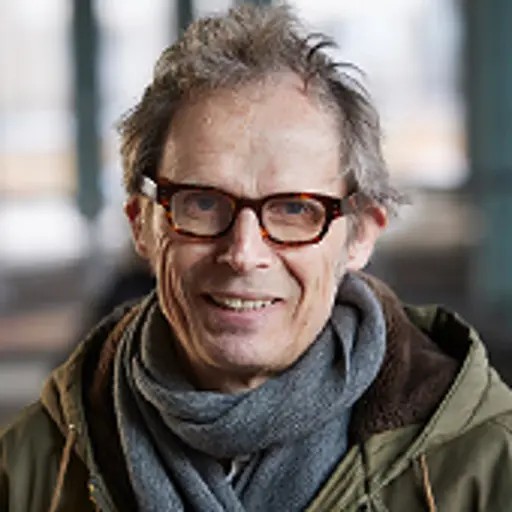
- Full Professor, Energy Technology, Space, Earth and Environment


