At Energy Conversion and Propulsion Systems (ECaPS) we work on new technology and systems-level integration for next generation powertrains. The world is in the midst of an energy transition and we are building the tools to make that transition possible and sustainable for transport applications.
Our research combines experimental measurements and simulations to face challenges that range from reacting multiphase flow, and light-matter interaction, to electrochemistry, heat transfer, and system control. This work is multidisciplinary and requires unique expertise to link fundamental understanding of physical effects to design choices made in real-world applications.
This also means that one of our core strengths is collaboration and our applied research projects are often carried out in close cooperation with Swedish industry and our academic partners.
A common thread in projects at ECaPS is the combination of laboratory measurements to validate conclusions or test models, and simulations that can connect that knowledge to real-world impact in applications.
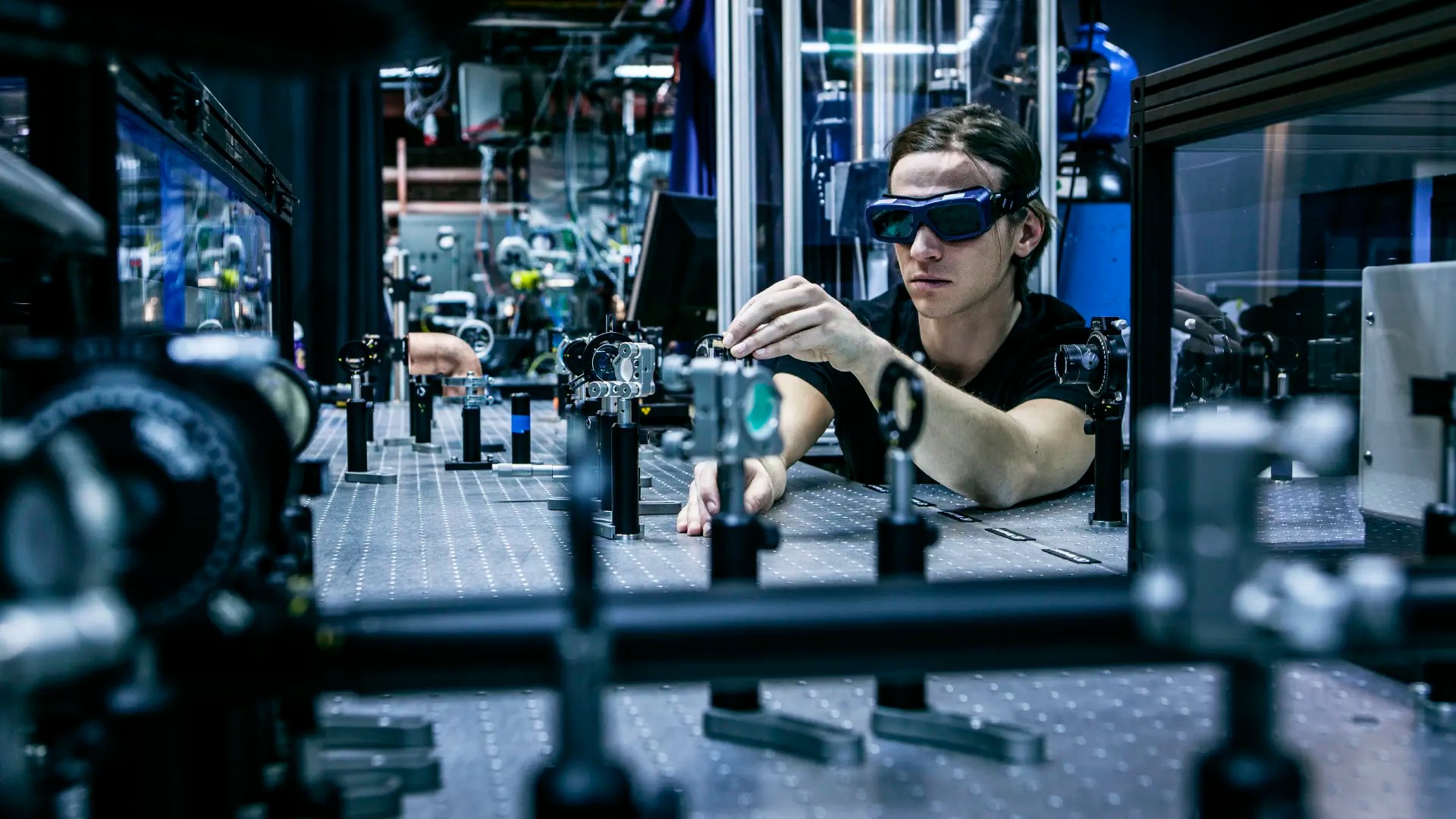
We maintain unique capabilities in laser-based optical diagnostics, often running combined measurements and coordinated time-resolved imaging of transient or turbid media.
We are active in CFD model application and development, which also drives theoretical understanding of microscale interactions (e.g., in reacting flow).
We develop system models and combined analysis that can connect fundamental work to the broader context.
The division integrates experimental, theoretical, and computational approaches across five tightly connected focus areas: hydrogen energy, turbulent combustion, sprays, engine development, and air quality.
Our research areas
LaSTS (Laboratory for Sustainable Transport Solutions)
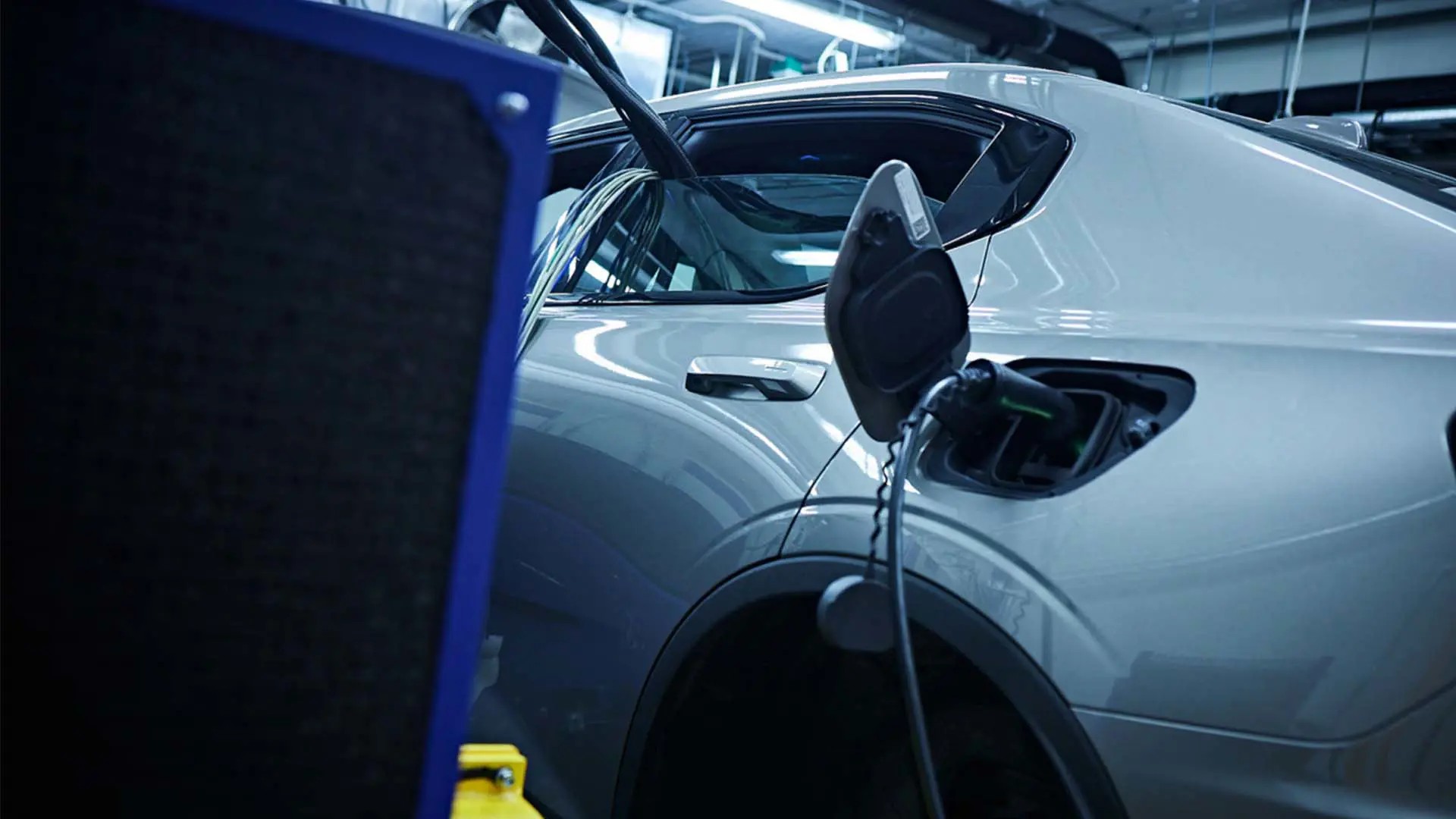
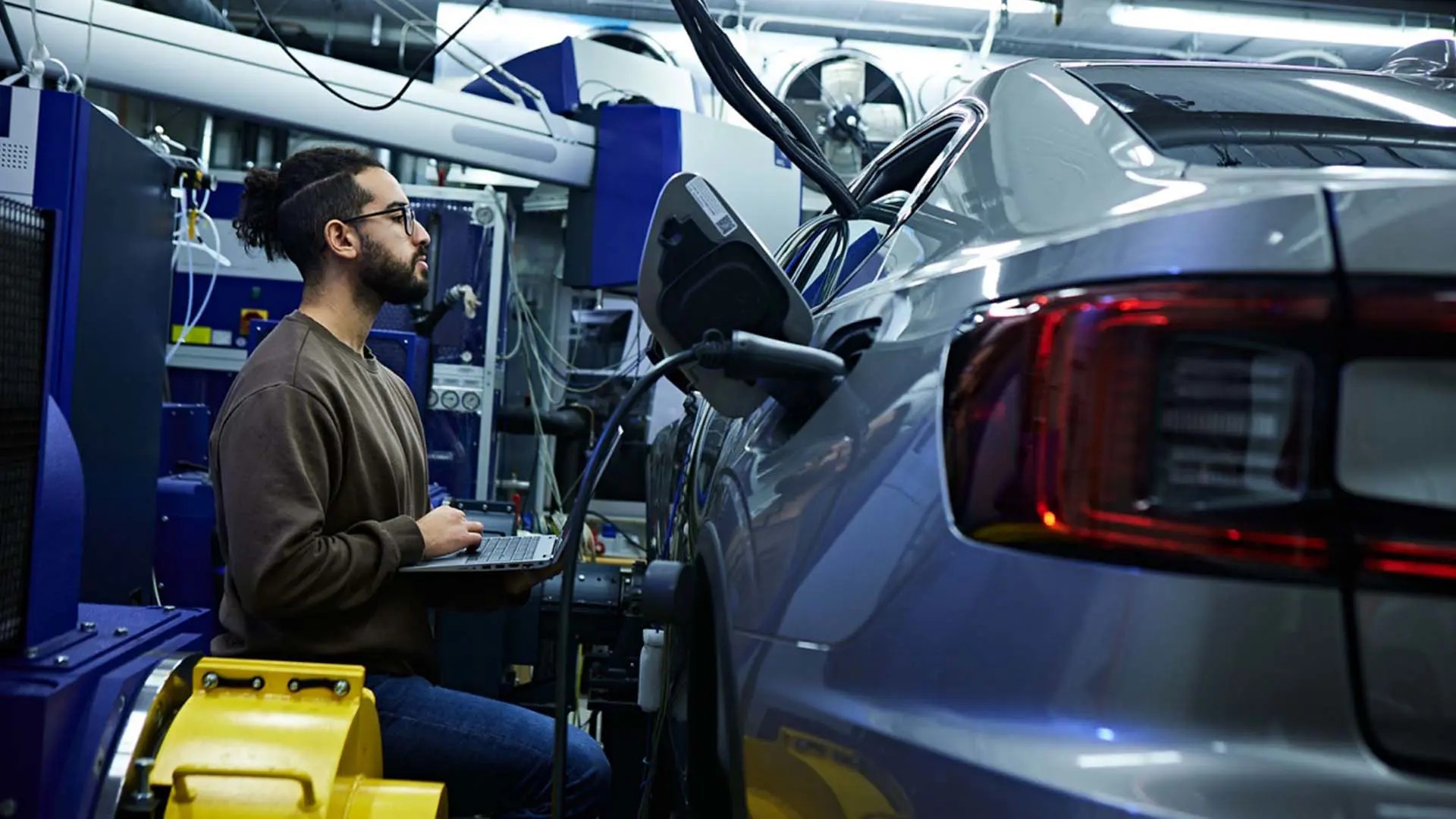
We maintain a state-of-the-art lab facility for fuel cells and hydrogen energy, combustion engine research, emissions and particulate measurements, as well as optical diagnostics for sprays, turbulent mixing, and imaging in turbid media.
For several years now we’ve had an intense focus on hydrogen and renewable fuels. We’ve built our own hydrogen infrastructure to enable fuel cell, IC engine, and materials research at labs in the M2-building and we are working to expand this infrastructure to produce and deliver hydrogen for education and research on the wider campus.
Head of Division Energy Conversion and Propulsion Systems

- Head of Division, Energy Conversion and Propulsion Systems, Mechanical Engineering