Our vision is to be a key player that provides scientific support for the development of a sustainable transport sector.
We contribute by developing new technology and decision support. Our strength is combining modelling and experimental work, and we have a state-of-the-art lab facility for research in hydrogen internal combustion engines, sprays and maritime environmental sciences.
Our assessments of environmental load and status, and our socio-techno-economic analysis tools, are used to guide the industry, for the development of new measures and changed legislation.
Collaboration with industry and authorities is central, as is our education in mechanics, mobility, shipping, energy and logistics programs.
As we become more and more people on earth, the need for transport also increases. Unfortunately, today's transport sector is still largely dependent on fossil fuels and our climate is threatened. Through our research on Energy Conversion and Propulsion Systems (ECaPS), we contribute to a sustainable transport system, for a sustainable future. Our goal is clear - to enable sustainable transport with zero emission impact.
Simulation
Through simulation, we develop more predictive models for all kinds of systems that have to do with propulsion, such as system models, combustion/chemistry models, gas exchange models, EATS models and spray/gas jet models. We use CFD, 1D and 0D commercial codes and open-source codes. With the help of simulation, we explain phenomena and support our experimental research activities.
Laboratory for Sustainable Transport Solutions
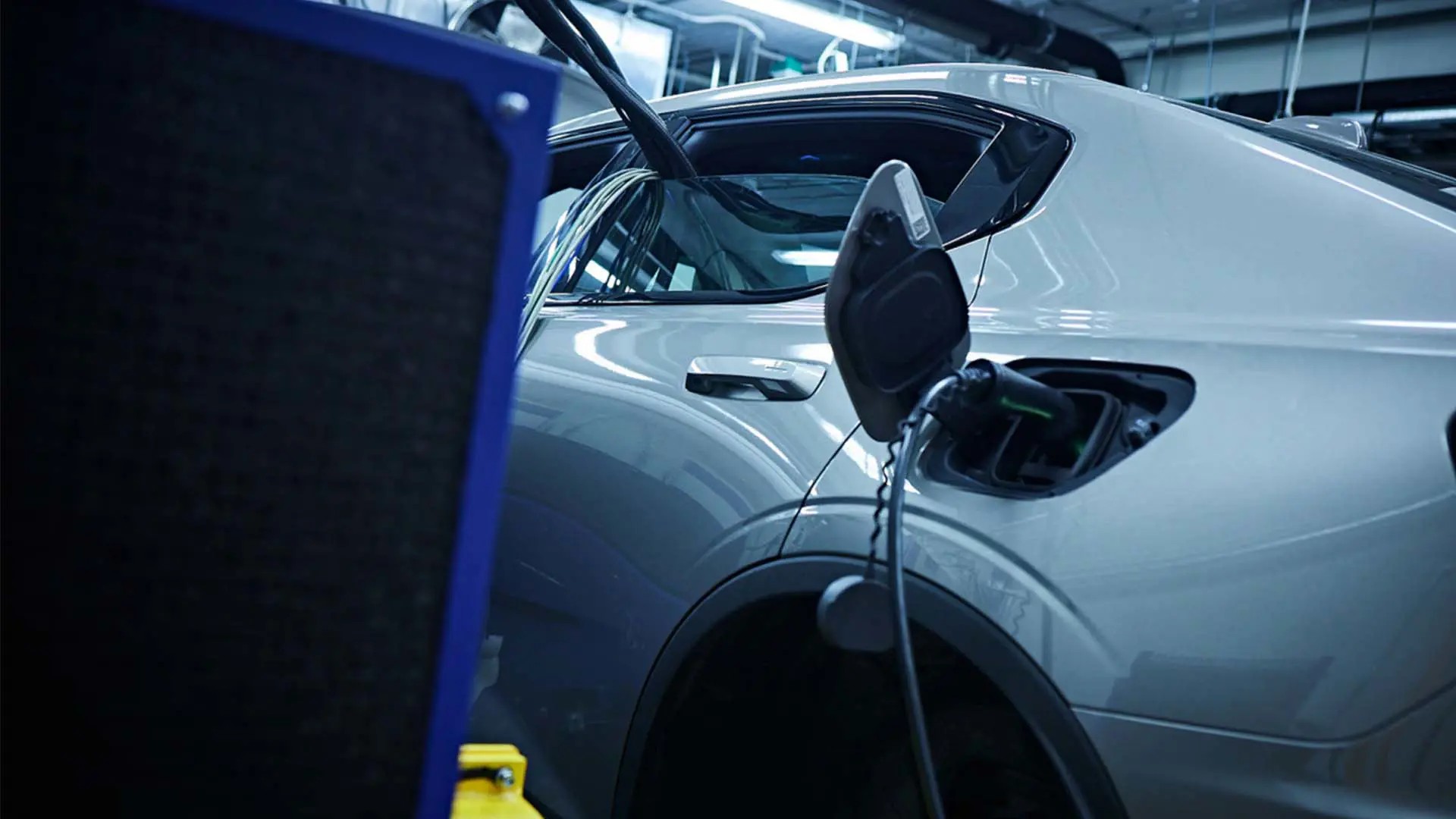
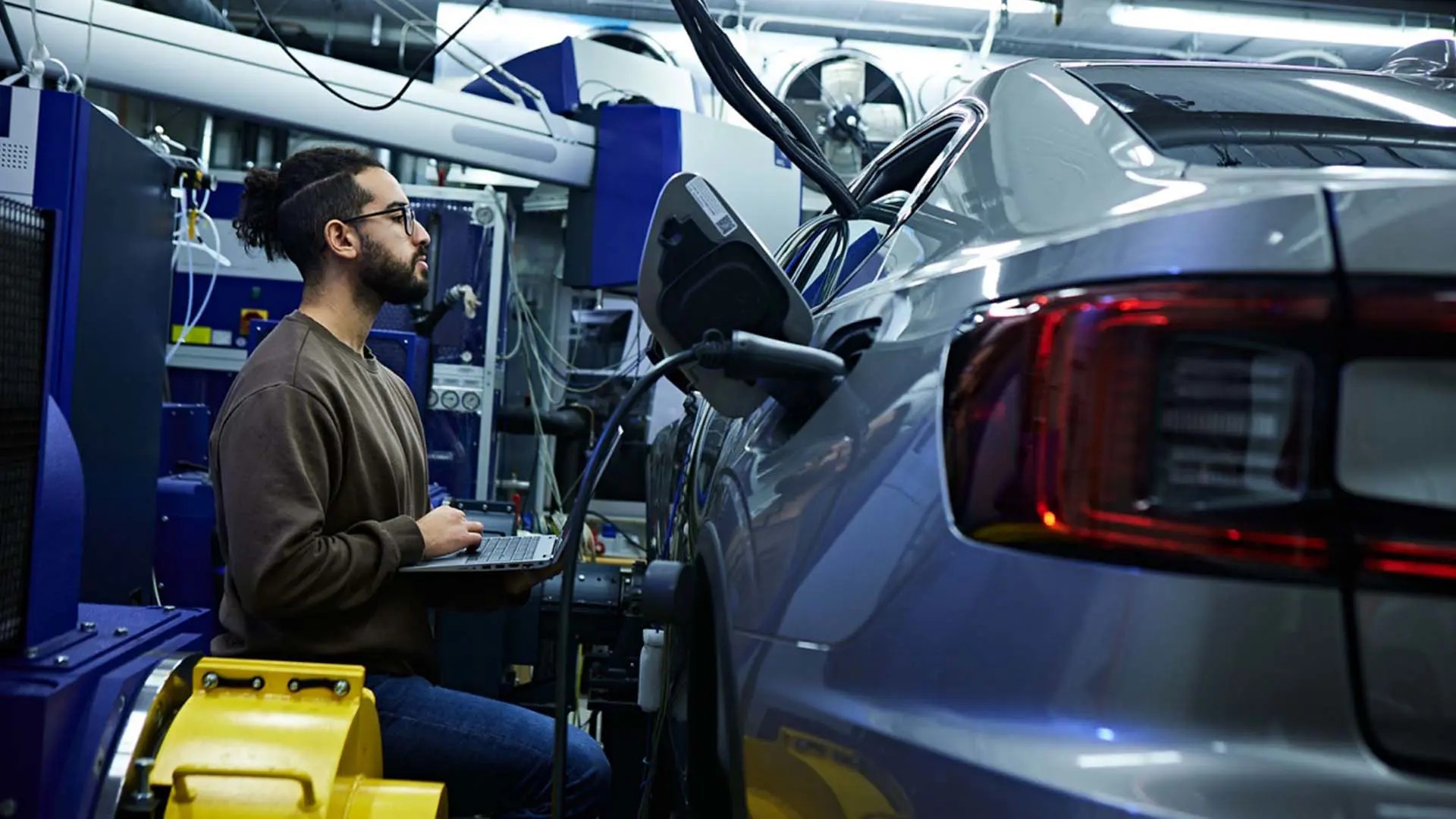
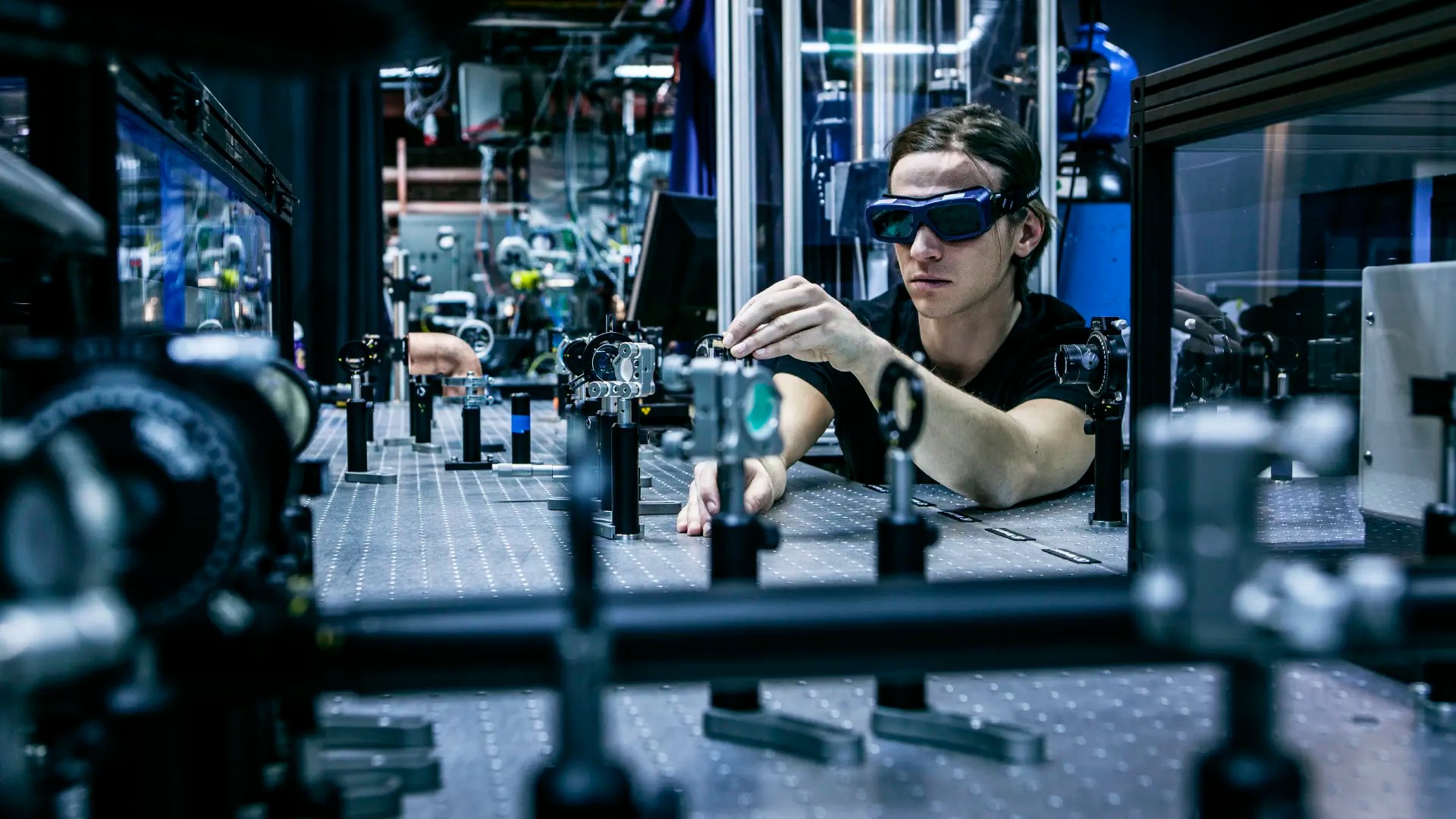
The Laboratory for Sustainable Transport Solutions, LaSTS. is equipped with five engine test cells (multi- and single-cylinder engines, truck and car engines), a hybrid rig for electric vehicles and hybrid vehicles, as well as a multifunctional room. We also have an entire laboratory for advanced optical measurement methods, where we mainly analyze fuel spray and gas jets. For several years now, our focus has been on renewable fuels and electricity, and we have a hydrogen infrastructure that enables experimental research on hydrogen cars, engines, hydrogen jets and fuel cell systems.
Our research areas
Head of Division Energy Conversion and Propulsion Systems

- Head of Division, Energy Conversion and Propulsion Systems, Mechanical Engineering